
Choosing the Right Circuit Breakers for Your Home


Selecting the right circuit breakers is essential to protecting your home’s electrical system and maintaining efficient power use. This guide explains how circuit breakers work, the options available, and what to consider when selecting them for your household’s electrical needs. By selecting the right circuit breakers, homeowners can better understand critical safety factors, including capacity limits, fault response, and system compatibility. Whether you are planning a renovation, installing new appliances, updating wiring, or improving overall electrical safety, proper circuit breaker selection helps prevent overloads, short circuits, and other electrical faults.
Why Choosing the Right Circuit Breakers Matters
Circuit breakers are among the most important safety components in any home. They protect electrical wiring from overheating, prevent equipment damage, and help avoid dangerous situations such as electrical fires. When a circuit becomes overloaded or a fault occurs, the breaker instantly cuts power, keeping your home safe.
Many homeowners ignore their switchboards until an issue happens. However, selecting the right breaker during renovations or electrical upgrades ensures long-term safety and smooth operation of household electronics, appliances, and lighting.
Understanding How Circuit Breakers Work
A circuit breaker monitors the electrical current flowing through a circuit. When the current exceeds the breaker’s capacity—due to overload, a short circuit, or a fault—it automatically shuts off the power.
This mechanism protects:
- Wiring from overheating
- Appliances from electrical damage
- Households from electrical fires
- Occupants from shock risks
Essentially, the breaker acts as a safety gate that responds instantly when there is abnormal electrical flow.
Types of Circuit Breakers Used in Australian Homes
Different homes require different types of breakers, depending on the electrical load and purpose of each circuit.
1. Single-Pole Breakers
These protect standard 240V household circuits such as lighting and power outlets.
2. Double-Pole Breakers
Used for larger appliances such as electric ovens, water heaters, and HVAC systems.
3. RCD (Residual Current Device) Breakers
These detect earth-leakage faults and protect against electric shock. RCDs are mandatory in modern Australian homes.
4. Combination Breakers (RCBOs)
These combine overload, short-circuit, and earth-leakage protection in one unit.
If you’re updating lighting or planning a full electrical upgrade, take a look at Smart Lights and Residential Lighting options.
Key Factors to Consider When Choosing Circuit Breakers
1. Electrical Load Requirements
Circuit breakers must match the load of the appliances and devices connected to each circuit.
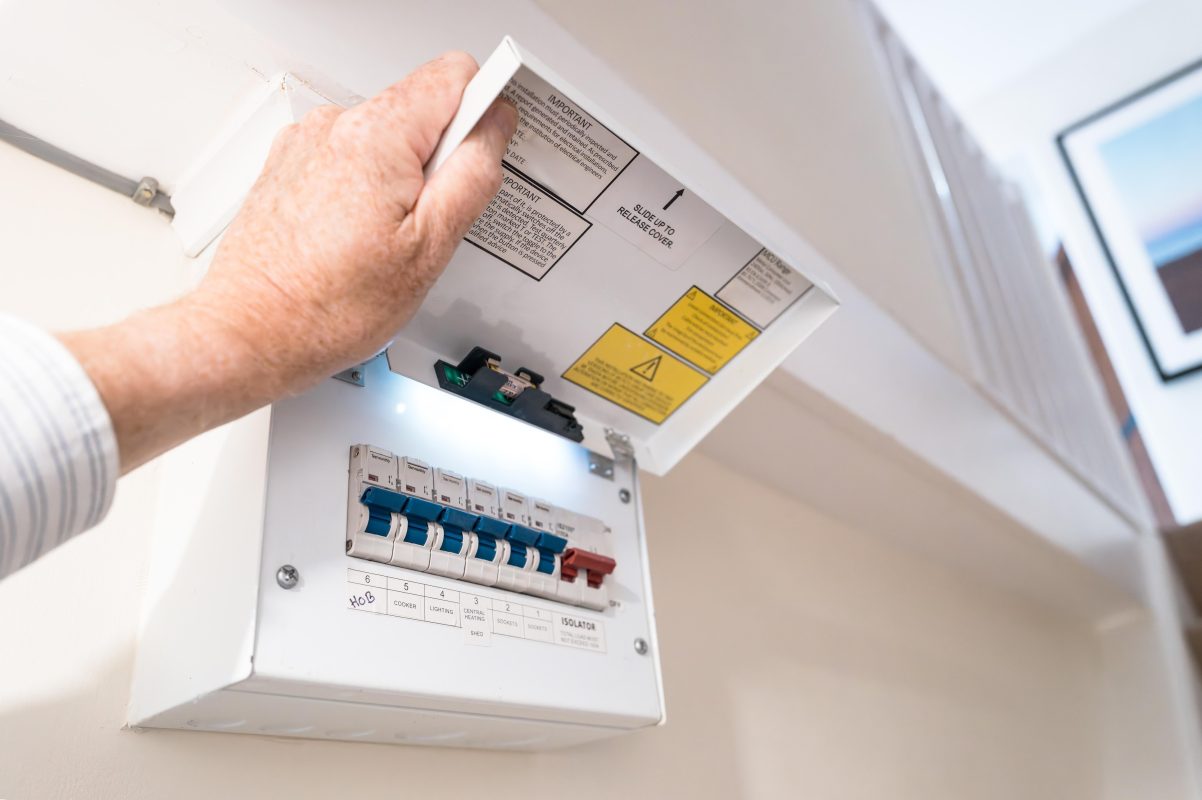
For example:
- Lights = lower load
- Kitchens and laundries = medium load
- Air-conditioners and ovens = high load
An incorrect load rating can cause constant tripping or overheating.
2. Breaker Compatibility With Your Switchboard
Older switchboards may not support modern RCDs or RCBOs. If your switchboard is outdated, an upgrade may be required before installing new breakers.
You can learn more about a provider’s background using their About Us page
3. Safety Standards and Local Regulations
Australian electrical installations must follow strict standards. Breakers must comply with AS/NZS 60898 and AS/NZS 3000.
External resources such as Energy.gov electrical safety advice and CNET home electrical guides give additional safety insights .
4. Appliance Requirements
Large appliances often require specialised breakers.
Examples:
- Induction cooktops → higher-rated breakers
- Solar inverters → dedicated circuits
- EV chargers → multi-pole breakers
Matching breakers to appliances helps avoid tripping, buzzing, and wear.
5. Future Power Demands
Homes are becoming more power-dependent. Planning ahead ensures your system can support additional appliances or renovations without overload.
Common future upgrades include:
- Smart home lighting
- Split-system air-conditioning
- Additional ceiling fans
- Outdoor power points
- Security systems
When upgrading to energy-saving lighting or new fixtures, this internal resource may help
Signs You Need New or Updated Circuit Breakers
Here are common indicators that you may need new breakers or an electrical inspection:
- Frequent breaker trips
- Buzzing from the switchboard
- Burning smell near outlets
- Flickering lights
- Discoloured or warm switchboard components
- Old ceramic fuses are still installed
If you notice any of these, it’s important to take action quickly, as these can indicate potential hazards.
Common Problems Caused by the Wrong Circuit Breakers
Choosing the wrong breaker can lead to several home safety issues.
1. Overheating Wires
Underrated breakers fail to cut off power during overloads, causing wires to overheat.
2. Nuisance Tripping
If the breaker is too sensitive or unsuitable for appliance load, it trips too frequently.
3. Electrical Fire Risks
Incorrect breakers allow dangerous faults to go undetected.
4. Damage to Appliances
Unstable voltage and sudden power loss can harm electronics.
5. Poor Energy Efficiency
An overloaded electrical system consumes more power, affecting your home’s energy performance.
External reference: NSW Fair Trading electrical safety tips highlight common home electrical issues.
Why Professional Installation Matters
Installing a circuit breaker is not a DIY project. It requires expert knowledge, licensing, and adherence to Australian standards.
Professionals ensure:
- Accurate load assessment
- Proper installation and wiring
- Safe circuit distribution
- Compliance with standards
- Reliable operation
Incorrect installation can expose your home to serious risks, so expert help is strongly recommended.
When you’re ready to arrange safe electrical upgrades, you can Get In Touch.
Final Thoughts & Professional Help
Choosing the right circuit breakers for your home is essential for maintaining electrical safety, preventing fire hazards, improving energy efficiency, and protecting your appliances. Whether you are renovating, expanding your home’s electrical capacity, or upgrading outdated switchboard technology, the right breaker selection makes a major difference.
For safe, reliable, and fully compliant electrical services—including lighting upgrades, smoke alarms, and professional installations—contact brockyselectrical through their request.
Frequently Asked Questions
1. What type of circuit breaker is best for a home?
For most homes, RCBOs offer the highest level of protection with combined overload and earth-fault detection.
2. How often should circuit breakers be replaced?
Breakers typically last many years, but they should be replaced if they trip constantly, show damage, or are incompatible with modern appliances.
3. Can I install circuit breakers myself?
No, only licensed electricians can install breakers legally and safely.
4. What size breaker do I need for my air-conditioner?
This depends on the appliance’s wattage. A professional must calculate the load to choose the correct size.
5. What causes circuit breakers to trip?
Common causes include overloads, faulty appliances, wiring problems, or damaged breakers.