Innovative Lighting Solutions to Boost Energy Efficiency at Home

Ever driven off to work and realised half the lights are still on? You’re not alone. Lights get forgotten, and those little oversights quietly add to your power bill, especially over a long Queensland summer.
The good news is that smart lighting can fix that. It switches off by itself, dims when you want it to and lights your driveway when you pull in after dark.
In this guide we explain how innovative lighting solutions boost energy efficiency at home, what works best for smart lighting on the Sunshine Coast, and what to know before booking lighting installation.
How Does Smart Lighting Boost Energy Efficiency?

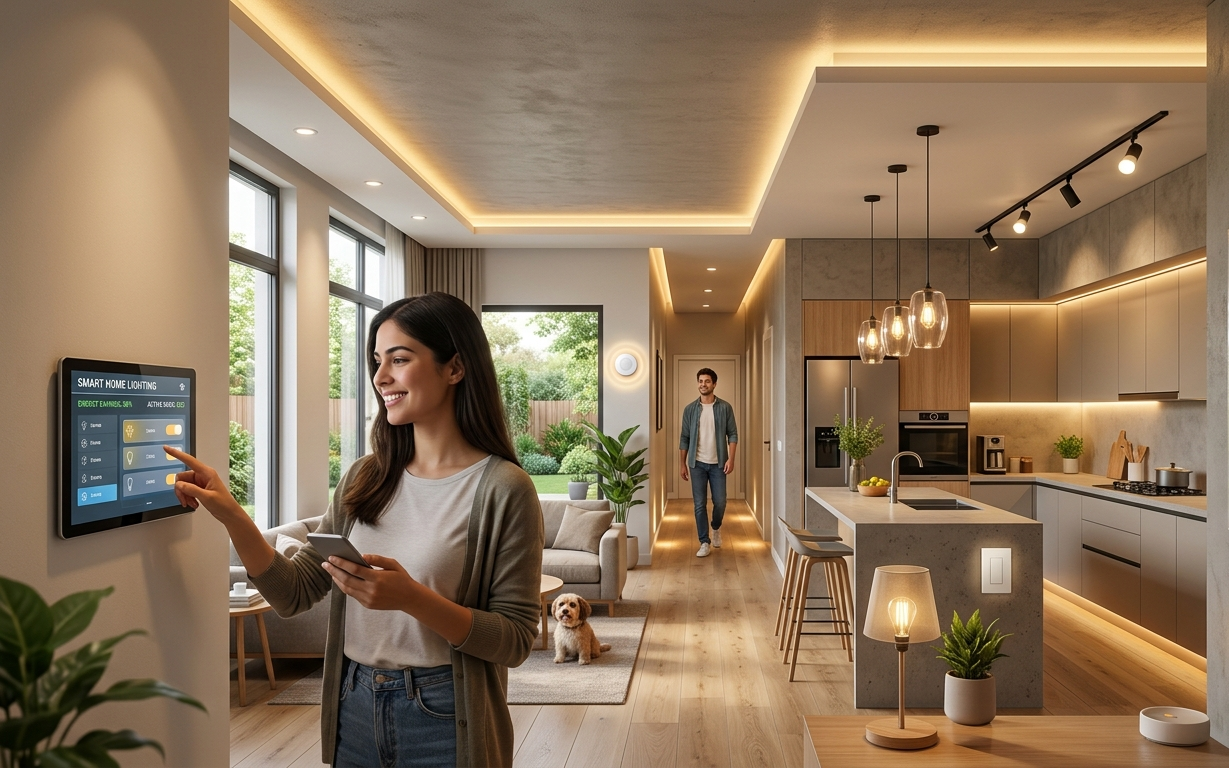
Smart lighting boosts energy efficiency by using LEDs, sensors and controls so lights are only on when you need them, and only as bright as you need.
These features make the biggest difference:
- Motion sensors: Lights come on when someone’s there and switch off when they leave. Great for hallways, garages and laundries.
- Dimming: Lower brightness means lower wattage. Perfect for living areas and bedrooms.
- Schedules: Set lights to turn off at bedtime or on at sunset.
- App and voice control: Switch lights off from your phone, or use Google Home or Alexa.
- LED technology: LEDs use a fraction of the power of old halogen globes and last much longer.
The Australian Government’s Energy Rating website has handy lighting efficiency info, and Wikipedia has a good overview of LED lamp technology if you want the science.
Why Energy-Efficient Lighting Suits Sunshine Coast Homes
Coastal living is different, and your lighting should reflect that.
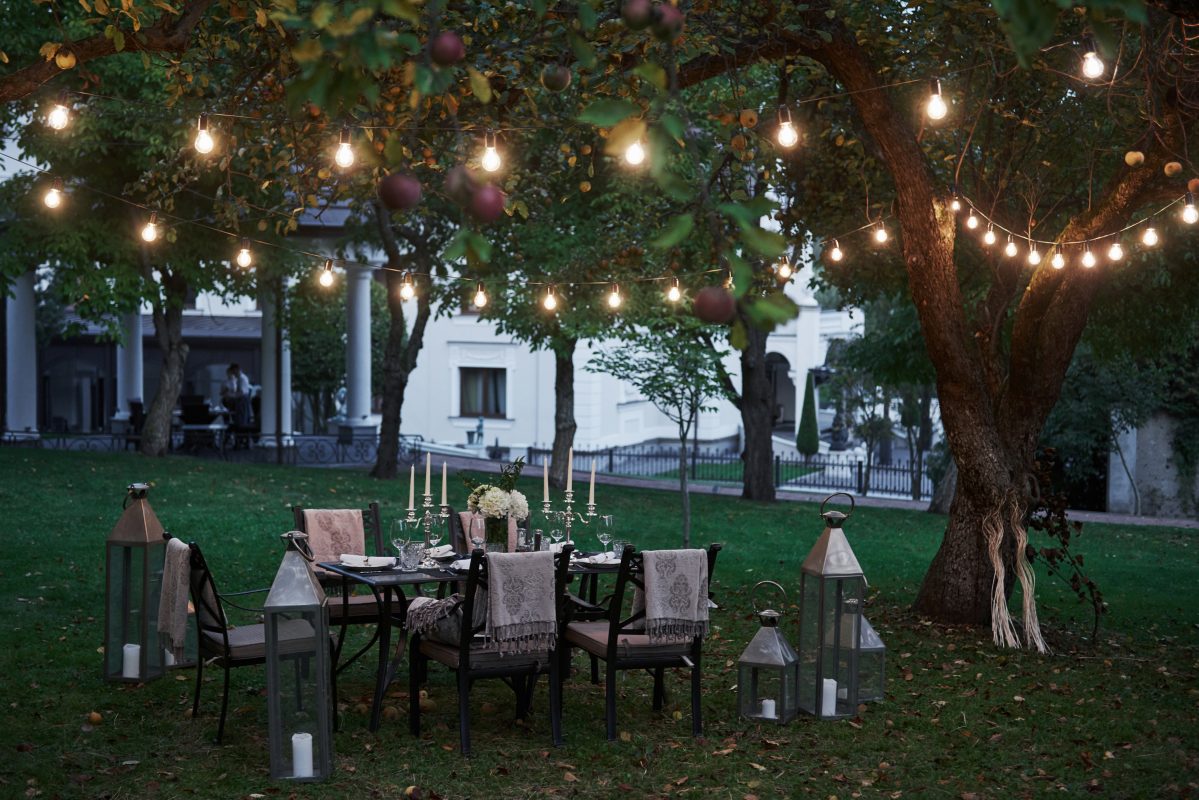
- Outdoor living: Decks, patios and pool areas get plenty of use. Smart outdoor lighting sets the mood without running to the switch.
- Humidity and salt air: Outdoor fittings need a suitable IP rating and corrosion-resistant materials to last.
- Holidays and security: Schedules make a home look lived-in while you’re away, and motion floodlights put off unwanted visitors.
- Summer energy use: With the air con and fans already working hard, efficient lighting helps keep the bill in check.
Smart Lighting for Indoor and Outdoor Lighting
Indoor lighting ideas
- Dimmable LED downlights in living and dining areas
- Under-cabinet lighting in the kitchen
- Motion-sensor lights in bathrooms and hallways
- Preset scenes like “movie night” or “morning”
Outdoor lighting ideas
- Pathway and entry lights on sunset timers
- Motion-activated floodlights at the driveway and side gate
- Patio and deck lighting
- Smart pool and garden lights
A good plan blends indoor and outdoor lighting so the whole property feels connected and safe to move around at night. It’s also the easiest way to build up smart lighting solutions on the Sunshine Coast one room at a time.
Smart Bulbs, Smart Switches or a Whole-Home System?
| Option | Best for | Installation |
|---|---|---|
| Smart bulbs | Lamps, single rooms, renters | Simple screw-in |
| Smart switches | Upgrading existing lights without changing fittings | Licensed electrician required |
| Whole-home systems | Renovations and new builds | Planned smart home wiring by an electrician |
Handy tip: Some smart switches need a neutral wire, and older homes don’t always have one. An electrician can check this before you buy, which saves money and a headache.
Why Light Fitting Installation Needs a Licensed Electrician

In Queensland, installing or replacing a light fitting connected to your home’s fixed wiring is electrical work, so it’s a job for a licensed electrician. It’s not just about the law. A professional will:
- Match LED globes with the right dimmers, so lights don’t flicker or buzz
- Check heat and insulation clearances around downlights
- Choose outdoor-rated fittings for coastal conditions
- Test the circuit and make sure it meets the Australian Wiring Rules (AS/NZS 3000)
Our team handles light fitting installation on the Sunshine Coast every week, from a single pendant to a full LED downlight installation. If you’re adding a lot of new lights, it’s also worth checking your switchboard. Have a read of our guide to choosing the right circuit breakers for your home.
What to Expect From Lighting Installation on the Sunshine Coast
- Free phone consultation: We chat about what you want and what you’ve got now.
- Assessment: We check your wiring, switchboard and existing lights.
- Fixed quote: You know the price before we start.
- Installation and testing: We install, test and tidy up.
- Handover: We show you how to use your app, timers and scenes.
Costs depend on the number of lights, any wiring changes and the products you choose, so we quote each job individually. See our full lighting installation Sunshine Coast service for more.
Why Maroochydore Locals Choose Brocky’s Electrical
Brocky’s Electrical has served the Sunshine Coast since 2006. Our A-grade electricians are licensed and insured, and every job comes with a satisfaction guarantee.
Lighting is just the start. We also install ceiling fans, smoke alarms, switchboard upgrades and TVs, so one team can handle the lot. Looking at the whole job, not just one fitting, is how we help you save more.
Ready to Upgrade Your Lighting?
Chat to our team about smart lighting in Maroochydore and across the Sunshine Coast. Call 1800 522 622 or request a free callback today.
Frequently Asked Questions
Q1. Does smart lighting really save energy?
Ans: Yes. LEDs use far less power than halogens, and sensors, dimming and schedules stop lights running when they’re not needed. Savings depend on how you use them.
Q2. Can I add smart lighting without replacing all my light fittings?
Ans: Often, yes. Smart switches can control existing fittings, though some need a neutral wire. We check your wiring first.
Q3. Do I need a licensed electrician to install smart lighting in Queensland?
Ans: For smart switches, new fittings or anything connected to fixed wiring, yes. Screw-in smart globes you can change yourself.
Q4. What’s the best outdoor lighting for coastal homes?
Ans: Choose outdoor-rated, corrosion-resistant fittings with a suitable IP rating for humidity and salt air. Add motion sensors or timers for efficiency.