
Upgrading Switchboards for Safer Homes: Essential Tips for Every Homeowner

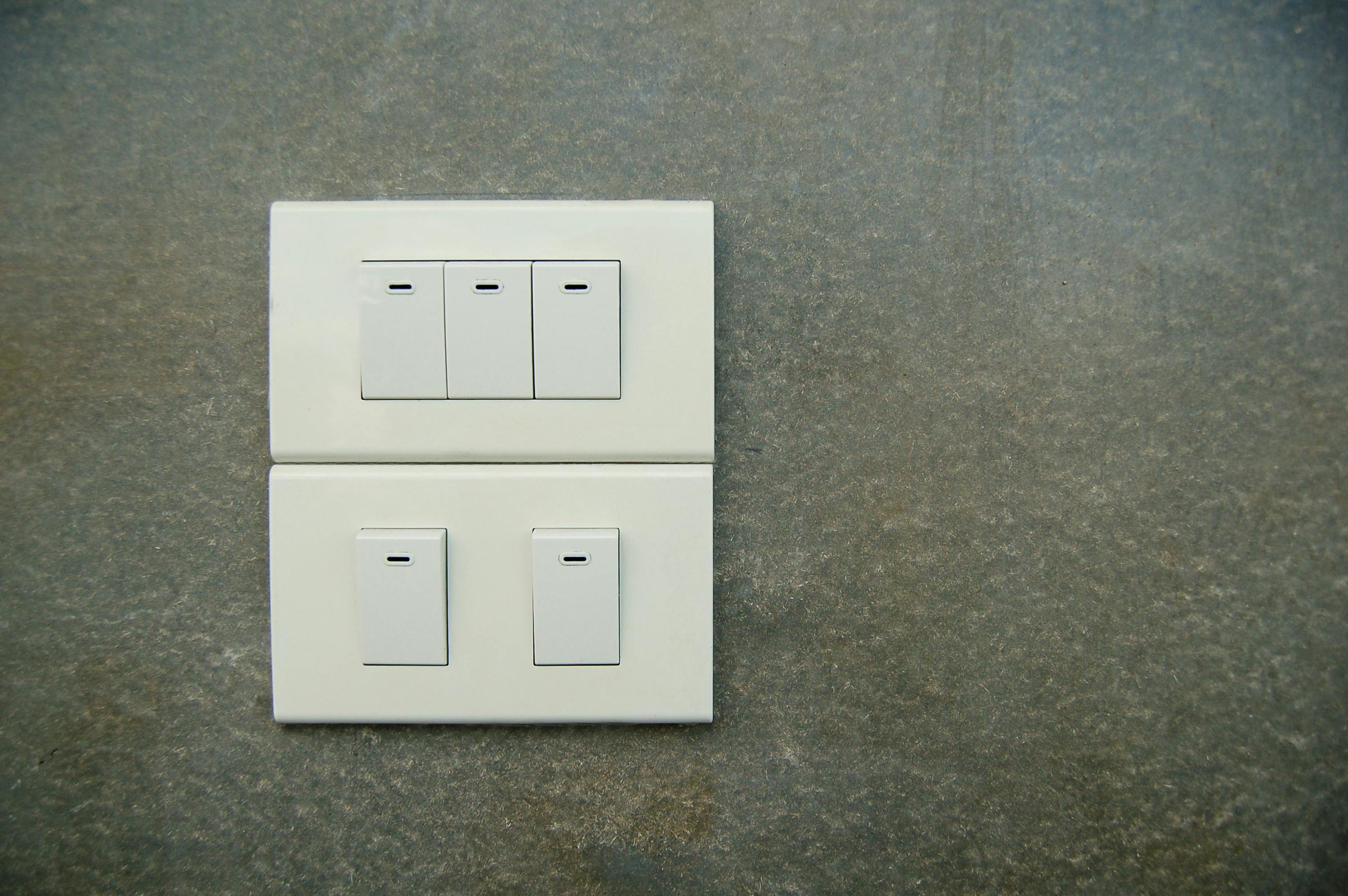
Upgrading switchboards is essential to improving home safety and electrical reliability. Many older switchboards were installed before modern safety standards and lack essential protective features, increasing the risk of electrical faults, fire hazards, and damage to household appliances. This guide explains the importance of upgrading switchboards to improve home safety, highlights common warning signs of outdated systems, and outlines how modern circuit protection helps create a safer living environment. It also helps homeowners understand when an upgrade is necessary and what to expect during the process.
Why Switchboard Safety Matters
Your switchboard controls how electricity is distributed throughout your home. It protects circuits from overloads, short circuits, and electrical faults. In older properties, switchboards were designed for lower power demands and may no longer safely support today’s appliances.
As households add air conditioning, smart devices, electric cooking, and entertainment systems, outdated switchboards struggle to cope. This can lead to overheating, frequent power trips, or dangerous faults that go unnoticed.
Common Signs Your Switchboard Needs an Upgrade
Many homeowners are unaware that their switchboard is outdated until a problem occurs.
Warning signs include:
- Frequent tripping of circuits
- Flickering lights
- Buzzing or crackling sounds
- Burn marks or heat around the board
- Ceramic fuses instead of circuit breakers
- Lack of safety switches
If your home still uses old-style fuses, it may not provide adequate protection.
What Makes Modern Switchboards Safer
Modern switchboards include safety devices designed to respond instantly to electrical faults.
Key safety features
- Circuit breakers that reset easily
- Safety switches (RCDs) that cut power during leakage
- Surge protection to protect appliances
- Clear labelling for quick fault identification
These features significantly reduce the risk of electric shock and fire.
External references such as Energy.gov electrical safety guidance explain how modern circuit protection reduces household risks.
Why Older Homes Face Higher Electrical Risks
Older homes were built before modern electrical standards existed. Many still rely on wiring and switchboards installed decades ago.
Common risks in older properties
- Undersized circuits
- Degraded insulation
- No residual current protection
- Overloaded power points
Upgrading switchboards to ensure safer homes is especially important during renovations or property purchases.
Switchboard Upgrades and Insurance Compliance
Many insurers now expect homes to meet modern electrical safety standards. If a fire occurs and the switchboard is outdated, insurance claims may be questioned.
A compliant switchboard:
- Meets current Australian Standards
- Includes safety switches
- Supports increased electrical demand
This upgrade protects both your home and your coverage.
How Switchboard Upgrades Improve Daily Living
Beyond safety, a modern switchboard improves everyday convenience.
Benefits include
- Fewer power outages
- Stable power supply
- Reduced appliance damage
- Capacity for future upgrades
- Safer operation during storms
Households using bright lighting or modern fixtures benefit from reliable electrical distribution. You can explore Smart Lights and Residential Lighting solutions here
What Happens During a Switchboard Upgrade
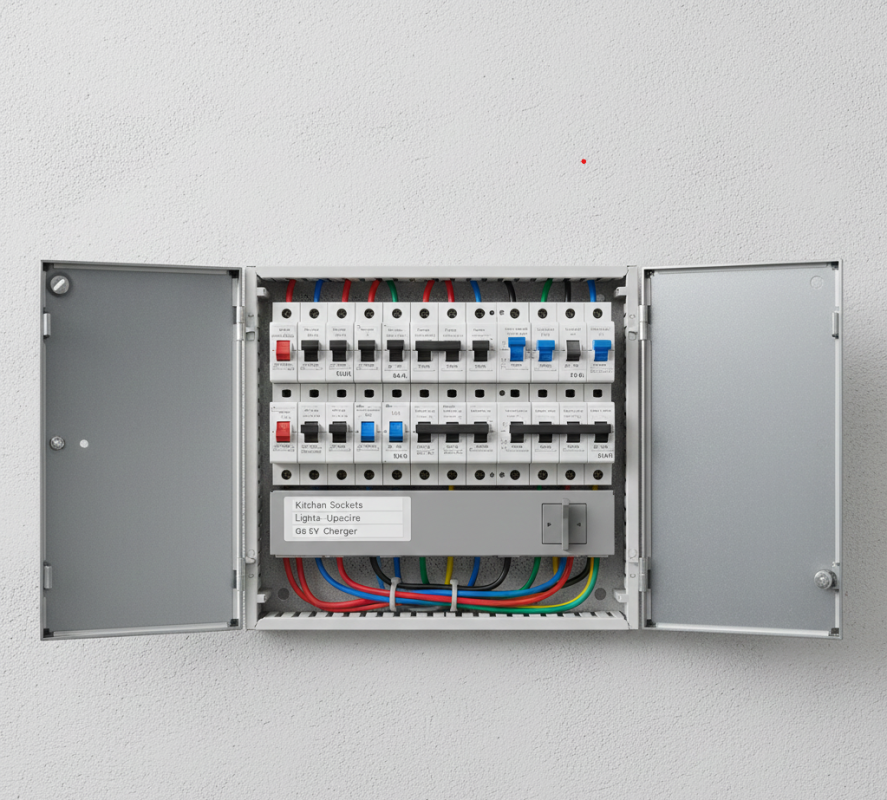
A licensed electrician will assess your current setup and recommend improvements.
Typical steps
- Power isolation
- Removal of old fuses or boards
- Installation of new breakers and RCDs
- Circuit testing
- Clear labelling
Upgrades are usually completed within a day, depending on complexity.
Safety Switches: A Key Upgrade Component
Safety switches monitor electrical flow and cut power if leakage is detected.
Why they matter
- Protect against electric shock
- Reduce fire risk
- Respond within milliseconds
Australian standards require safety switches on power and lighting circuits in modern homes.
External safety resources, such as NSW Fair Trading’s electrical safety advice, explain why safety switches are essential for residential protection.
Planning for Future Electrical Needs
Switchboard upgrades should consider future usage.
Future-proofing tips
- Allow space for additional circuits
- Plan for electric vehicle charging
- Support solar power connections
- Handle higher appliance loads
This approach prevents the need for repeat upgrades later.
DIY Electrical Work Is Not Safe
Switchboard work involves live power and must only be handled by licensed professionals.
DIY risks include
- Serious injury
- Fire hazards
- Non-compliant installations
- Insurance issues
Even small mistakes can cause long-term safety problems.
For background on professional standards (without service promotion), you may review:
When Should You Upgrade Your Switchboard?
You should consider upgrading if:
- Your home is over 20 years old
- Renovations are planned
- Power trips frequently
- New appliances are added
- Safety switches are missing
Early upgrades prevent emergencies rather than reacting to them.
Final Thoughts & Professional Support
Upgrading switchboards to improve home safety is one of the smartest investments a homeowner can make. It protects your family, supports modern electrical demands, and reduces the risk of costly damage or injury. A modern switchboard delivers safety, reliability, and peace of mind.
For professional assistance with switchboard upgrades, lighting, safety systems, and electrical installations, contact Brockyselectrical today. Their experienced team provides reliable solutions that improve home safety while meeting modern electrical needs.
FAQs
1. How old is too old for a switchboard?
Anything over 20–25 years may not meet current safety standards.
2. Do I need a switchboard upgrade for renovations?
Yes, especially if adding appliances or circuits.
3. Are safety switches mandatory?
Modern Australian standards require them on key circuits.
4. How long does a switchboard upgrade take?
Most upgrades are completed within one working day.
5. Can a new switchboard reduce power outages?
Yes, modern breakers handle faults more efficiently.