
Hidden Electrical Hazards in Your Home: What Every Homeowner Should Know

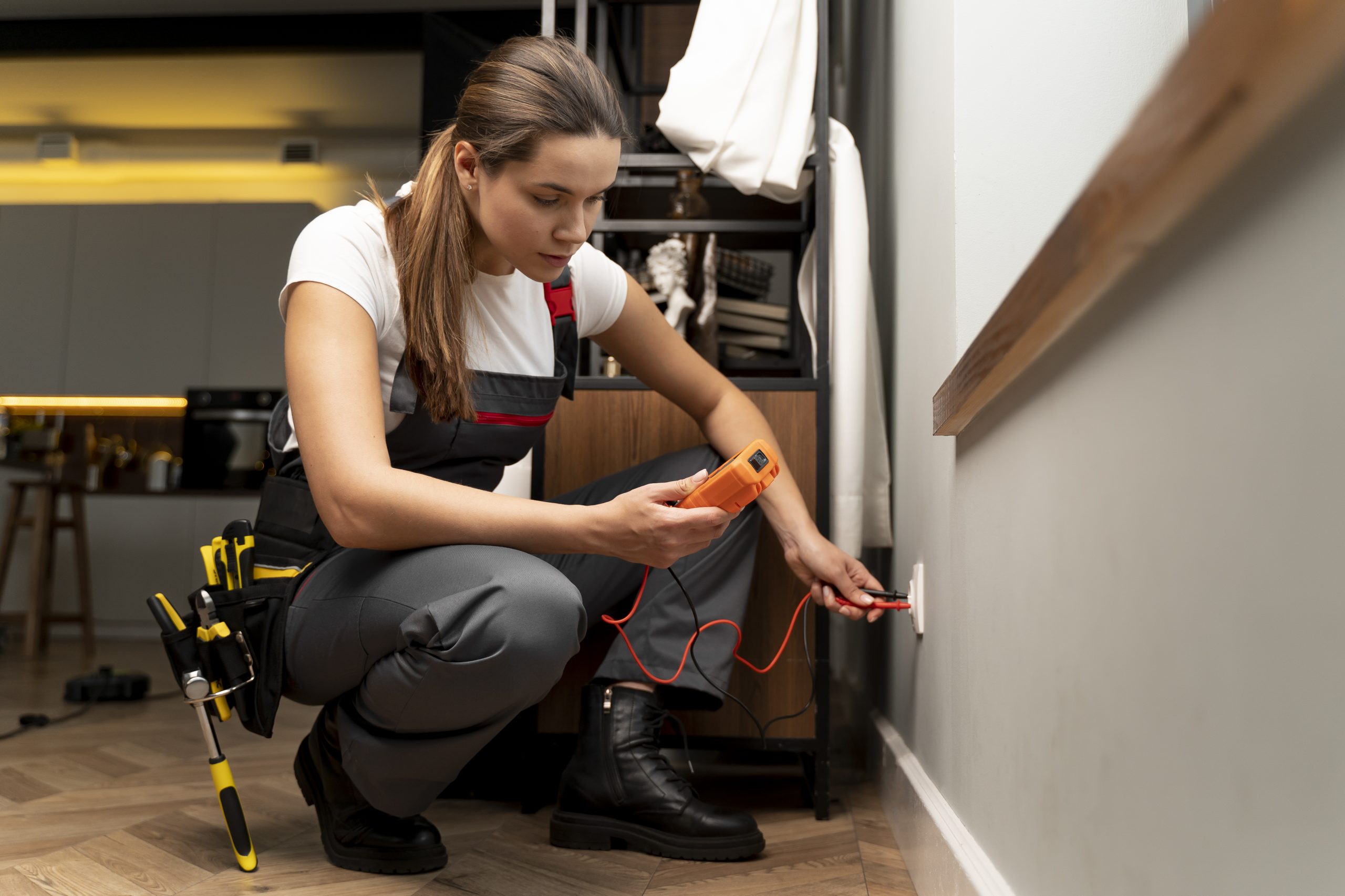
Hidden electrical hazards in home environments can quietly increase the risk of fires, shocks, and appliance failures without obvious warning signs. Many households overlook minor issues such as loose outlets, ageing wiring, and overloaded circuits until serious damage occurs. This guide explains the most common electrical safety hazards, early warning signs, and practical steps homeowners can take to prevent electrical accidents at home. By learning how to spot hidden risks and applying simple home electrical inspection tips, families can protect their property, improve long-term safety, and reduce the likelihood of sudden electrical emergencies.
Why Hidden Electrical Hazards Are So Dangerous
Most homeowners assume electrical problems are obvious, but many hazards develop silently behind walls, inside switchboards, or under appliances. These hidden electrical hazards in home settings often cause serious damage before anyone realizes there is a problem.
Faulty wiring, worn insulation, and outdated electrical systems remain some of the leading causes of residential fires in Australia. The risk increases in older homes where the electrical infrastructure was not designed to handle modern power demands.
1. Ageing Wiring Systems
Older properties frequently contain wiring that no longer meets safety standards. Cloth-wrapped wiring, aluminium cables, and brittle insulation degrade over time, creating major electrical safety hazards.
Common warning signs include:
- Flickering lights
- Burning smells
- Discoloured outlets
- Tripping circuit breakers
These are classic signs of electrical problems at home that should never be ignored.
2. Overloaded Power Points and Circuits
Modern homes rely on far more devices than electrical systems were originally built to support. Plugging multiple appliances into a single outlet or power board strains wiring and creates heat buildup.
This increases the risk of:
- Melted sockets
- Electrical fires
- Short circuits
- Equipment damage
Avoid running heaters, air fryers, microwaves, and washing machines on the same circuit whenever possible.
3. Loose or Damaged Outlets
Loose power points are one of the most common hidden electrical hazards in home environments. Movement causes internal arcing, which generates heat and sparks.
Signs include:
- Plugs falling out easily
- Crackling sounds
- Warm outlet plates
- Visible scorch marks
These common electrical issues in houses require professional repair.
4. Faulty Switchboards and Missing Safety Switches
Outdated switchboards often lack modern safety switches (RCDs) that cut power instantly during faults. Homes without these systems remain exposed to the risk of electric shock.
The Australian Communications and Media Authority highlights how electrical interference and outdated installations contribute to unsafe home conditions
Switchboard upgrades play a major role in helping families prevent electrical accidents at home.
5. Hidden Wiring Damage from Rodents or Moisture
Rodents chew through cables, while moisture weakens insulation. Both causes remain hidden behind walls or ceilings.
These conditions create:
- Short circuits
- Fire risks
- Sudden appliance failures
- Power surges
The U.S. Fire Administration confirms that electrical wiring damage is a leading cause of house fires.
6. DIY Electrical Work Gone Wrong
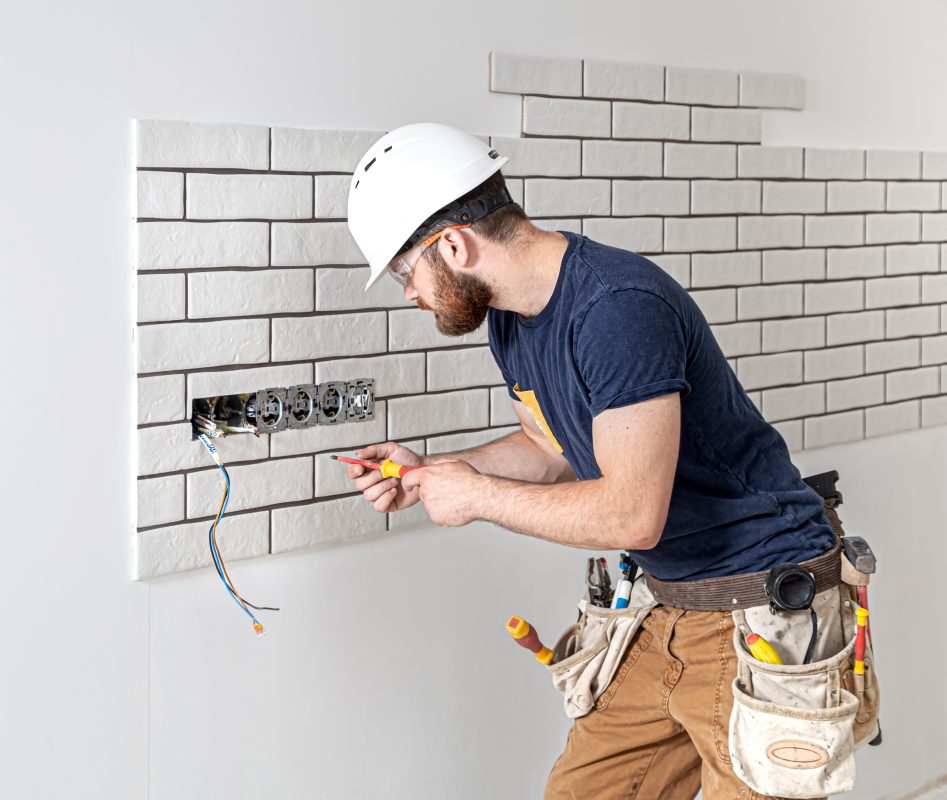
Unlicensed DIY electrical repairs often create severe electrical safety hazards. Incorrect wire sizes, poor grounding, and loose connections may work temporarily but fail later.
If your home has undocumented wiring changes, it is wise to schedule a professional safety check.
7. Old or Damaged Appliances
Appliances draw heavy electrical loads and become dangerous when cords or internal components wear out.
Look for:
- Frayed cables
- Buzzing sounds
- Overheating
- Tripped breakers when appliances start
Replacing worn cords and unplugging unused devices help prevent electrical accidents at home.
8. Lack of Regular Electrical Inspections
Most households never perform routine checks. Annual inspections help uncover hidden electrical hazards in home environments before they escalate.
Basic home electrical inspection tips include:
- Testing safety switches
- Checking visible wiring
- Inspecting switchboard labels
- Feeling the heat around outlets
Professional inspections offer deeper fault detection.
9. Extension Cords Used as Permanent Wiring
Extension leads are not built for long-term use. Running them behind furniture or through walls increases fire risk.
These setups often cause:
- Heat buildup
- Insulation breakdown
- Loose connections
Replacing extension cords with permanent outlets is one of the best ways to reduce electrical safety hazards.
10. Outdoor Electrical Risks
Garden lighting, power tools, and pool equipment introduce outdoor electrical dangers.
Watch for:
- Cracked outdoor outlets
- Exposed cables
- Water-damaged fittings
- Uncovered extension leads
The U.S. Consumer Product Safety Commission advises homeowners to regularly inspect outdoor electrical equipment.
11. Smoke Alarms and Electrical Safety
Smoke alarms form part of your electrical safety system. Dead batteries, faulty wiring, or missing alarms remove early fire warnings.
Check alarms monthly and replace units older than 10 years.
12. Lighting Systems and Wiring Risks
Flickering lights, buzzing fixtures, or warm switches signal wiring issues.
Smart upgrades such as modern LED fittings and Smart Lights, and Residential Lighting solutions can improve safety and energy efficiency.
13. When to Call an Electrician
You should seek professional help if you notice:
- Burning smells
- Frequent breaker trips
- Sparking outlets
- Warm switches
- Unexplained power outages
These are urgent signs of electrical problems at home.
14. Long-Term Electrical Safety Planning
Homes undergoing renovations or adding new appliances should carefully plan upgrades. Reviewing safety standards and understanding your electrical layout prevents future hazards.
Learning more about electrical compliance history and safety standards can help homeowners plan responsibly
Final Thoughts on Hidden Electrical Hazards
Many serious home accidents begin with small, ignored warning signs. Addressing hidden electrical hazards in home settings early protects your family, property, and long-term investment.
For expert safety assessments, modern electrical upgrades, and professional solutions, contact Brockyselectrical today. Their licensed team delivers reliable services designed to prevent electrical accidents at home and improve long-term household safety.
FAQs
1. What are the hidden electrical hazards in home environments?
They include faulty wiring, loose outlets, outdated switchboards, and undetectable damage to cables.
2. What are the early signs of electrical problems at home?
Flickering lights, warm outlets, burning smells, tripping breakers, and buzzing switches.
3. How often should I inspect my home’s electrical system?
At least once a year, or whenever you notice unusual electrical behaviour.
4. Can DIY electrical repairs be dangerous?
Yes. Unlicensed work often creates serious electrical safety hazards and legal issues.
5. How can I prevent electrical accidents at home?
Use licensed electricians, avoid overloaded outlets, update switchboards, and perform routine inspections.