
Essential Electrical Maintenance Tips for Every Homeowner

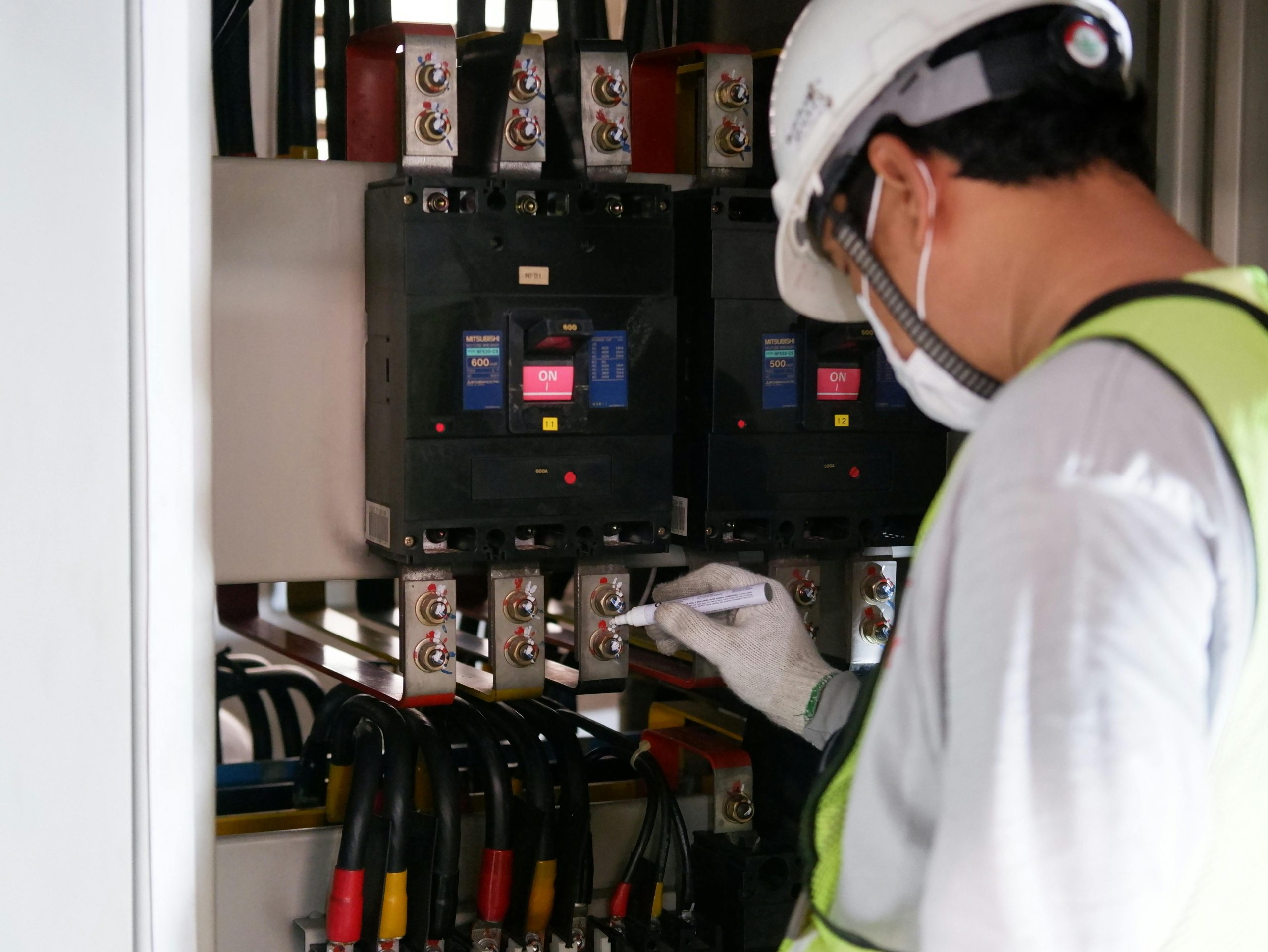
Regular electrical upkeep plays a significant role in keeping a home safe, reliable, and energy-efficient. This guide outlines essential electrical maintenance tips for homeowners to reduce risks and ensure proper system performance. It covers key areas such as switchboards, power points, lighting systems, household appliances, and safety equipment. By addressing minor issues early, homeowners can lower the chances of electrical faults, fire hazards, and costly appliance damage. Whether your property is newly built or older, routine checks and basic maintenance help ensure long-term safety and extend the overall lifespan of your electrical system.
Why Electrical Maintenance Should Be a Priority
Your home’s electrical system works nonstop—powering lights, appliances, fans, heating, cooling, and entertainment devices. Over time, wiring, outlets, and electrical components can wear down, leading to risks like overheating, tripping circuits, and safety hazards.
Routine electrical maintenance helps:
- Prevent electrical fires
- Reduce sudden power faults
- Improve energy efficiency
- Protect appliances from damage
- Extend the lifespan of your electrical system
Understanding the basics of electrical care can help you recognise early warning signs and avoid costly repairs.
1. Inspect Your Switchboard Regularly
The switchboard is the heart of your home’s electrical system. If it’s outdated, overloaded, or damaged, your entire electrical setup may be at risk.
Signs your switchboard needs attention:
- Frequent tripping
- Buzzing or crackling sounds
- Fuses instead of modern breakers
- Burn marks or warm surfaces
If you are renovating or planning electrical upgrades, reviewing the provider’s About Us information may help you better understand their background
2. Test Smoke Alarms Frequently
Smoke alarms are a crucial part of home safety. They must be tested regularly to ensure they are working properly.
Basic checks:
- Test buttons monthly
- Replace batteries annually
- Replace the entire unit every 10 years
- Make sure alarms are installed in hallways and bedrooms
External resources such as Energy.gov home safety tips and NSW Fair Trading electrical safety guidelines provide additional safety recommendations.
3. Check Power Outlets and Switches
Power outlets and switches can become loose, warm, or discoloured over time. These changes may signal wiring issues behind the wall.
Warning signs include:
- Sparks when plugging in devices
- Buzzing sounds
- Burn marks
- Flickering lights connected to the circuit
Do not ignore these symptoms. Damaged outlets can be dangerous and should be inspected by a licensed electrician.
4. Maintain Indoor and Outdoor Lighting Fixtures
Lighting fixtures play a major role in household safety and atmosphere. Faulty lights may indicate deeper electrical issues.
Maintenance tasks:
- Replace old bulbs with LED options
- Check for flickering or dimming
- Clean accumulated dust around fixtures
- Inspect outdoor lights for water exposure
You can explore Smart Lights and Residential Lighting options here for modern upgrades
5. Keep Ceiling Fans and Appliances Clean
Dust buildup forces electrical appliances to work harder, increasing power usage and reducing lifespan.
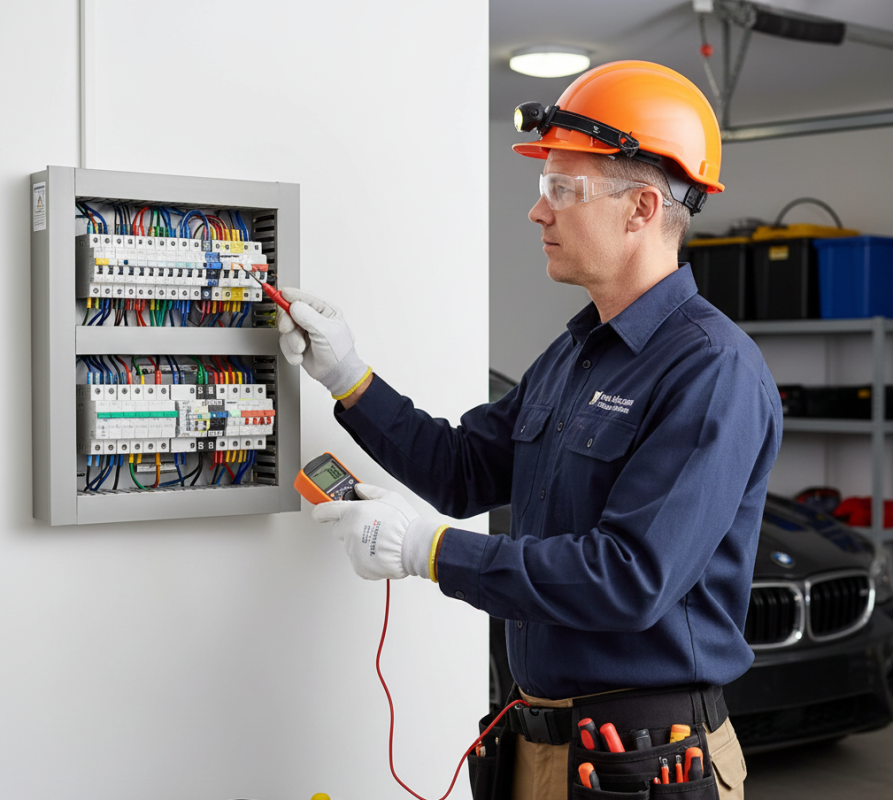
Areas to clean:
- Ceiling fan blades
- Air-conditioning filters
- Exhaust fans
- Refrigerator coils
- Microwave vents
Proper airflow prevents overheating and extends the life of your appliances.
6. Inspect Extension Cords and Power Boards
Overloaded power boards and damaged extension cords are among the top causes of electrical fires at home.
Safety guidelines:
- Avoid daisy-chaining multiple boards
- Replace frayed or bent cords
- Keep cords away from water
- Use surge protectors for electronics
- Ensure boards have overload protection
External resources like CNET home electrical guides and Good Housekeeping electrical safety tips offer additional insights.
7. Monitor Circuit Breaker Performance
Circuit breakers protect your home from overloads and faults. If yours trips frequently, the circuit may be overloaded or the breaker may be wearing out.
Common causes of tripping:
- Too many appliances on one circuit
- Faulty wiring
- Damaged breakers
- High-power devices sharing the same circuit
Frequent issues indicate it’s time for a professional inspection.
8. Maintain Outdoor Electrical Systems
Outdoor wiring, lights, and power points are easily affected by weather and moisture.
Outdoor checks:
- Cover outdoor outlets with weatherproof covers
- Inspect garden lighting for exposed wiring
- Make sure water features have safe isolation switches
- Keep cables elevated and away from puddles
Moisture exposure significantly increases electrical risks.
9. Avoid DIY Electrical Repairs
Simple tasks—like changing bulbs or resetting a breaker—are safe. But repairing outlets, wiring, or complex fixtures without training is dangerous and illegal in Australia.
DIY electrical work risks:
- Electrical shock
- Fire hazards
- Fines for unlicensed work
- Damage to appliances
- Voided insurance
Always use licensed electricians for installation or repairs.
If you’re planning electrical upgrades, use this link to Get In Touch with professionals.
10. Schedule Regular Professional Inspections
Even if your home seems fine, hidden issues can develop unnoticed.
A professional inspection every few years helps detect:
- Aging wiring
- Faulty breakers
- Corroded components
- Poor insulation
- Overloaded circuits
Professional maintenance ensures your home stays safe and compliant with Australian electrical standards.
Final Thoughts & Professional Help
Electrical maintenance is essential for keeping your home safe, efficient, and free from electrical hazards. Regular inspections, proper cleaning, updated fixtures, and reliable preventive steps help protect your family, appliances, and property. If you need support with lighting, fan installations, smoke alarms, or any electrical maintenance, reach out to brockyselectrical.
FAQs
1. How often should I maintain my electrical system?
A full inspection every 2–3 years is recommended, with routine monthly household checks.
2. Why do my lights keep flickering?
Flickering often indicates loose wiring, bulb issues, or circuit overloads.
3. Are old switchboards dangerous?
Yes. Outdated systems may lack RCD protection and can increase fire risks.
4. What causes circuit breakers to trip frequently?
Common causes include overloads, wiring faults, or failing breakers.
5. Can I replace an outlet myself?
No. In Australia, only licensed electricians can perform wiring work legally.