Smoke Alarm Testing & Maintenance — Sunshine Coast Guide

If the answer is “not recently” or “I’m not sure,” you’re not alone — but you are taking a risk. Smoke alarms are one of the simplest and most effective safety measures in any home, yet most Sunshine Coast homeowners only think about them when a battery dies and the chirping starts at 2 am.
This guide covers everything you need to know about testing, cleaning, maintaining, and replacing smoke alarms — including what Queensland law now requires for residential properties.
Why Smoke Alarm Maintenance Is Non-Negotiable
A smoke alarm that’s there but not working is worse than useless — it creates a false sense of security. Dust buildup, expired batteries, failed sensors, and old units that are past their replacement date are all common reasons alarms don’t activate when they should.
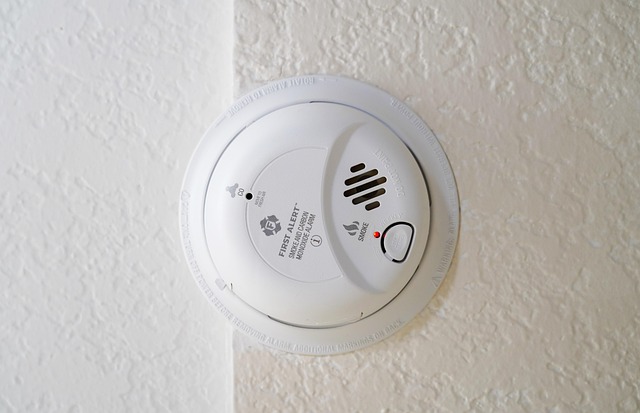
According to Queensland Fire and Emergency Services, interconnected photoelectric smoke alarms now provide the strongest level of protection for residential homes — and for good reason. Older ionisation alarms are slower to detect smouldering fires, which are the most common type in residential properties.
Regular maintenance helps you:
- Catch faults before they matter
- Keep sensors accurate and responsive
- Reduce nuisance false alarms from cooking or steam
- Stay compliant with Sunshine Coast’s updated smoke alarm legislation
Understanding the Three Types of Smoke Alarms
Before you can maintain your alarms properly, it helps to know what type you have.
Battery-Powered Smoke Alarms
These run on replaceable or long-life sealed batteries. They’re straightforward to test but require the most hands-on maintenance — batteries need checking regularly, and the whole unit needs replacing every 10 years.
Hardwired Smoke Alarms
Common in newer Sunshine Coast homes, hardwired smoke alarms connect directly to your home’s electrical circuit with a battery backup for power outages. Hardwired smoke alarm installation on the Sunshine Coast must be carried out by a licensed electrician — it’s not a DIY job.
Interconnected Smoke Alarms
This is the gold standard for modern homes. When one alarm detects smoke, every alarm in the home sounds simultaneously — giving everyone more time to get out, regardless of where the fire starts. Interconnected smoke alarm installation on the Sunshine Coast requires professional wiring and testing to ensure all units communicate correctly.
Your Smoke Alarm Testing Schedule
Testing isn’t a once-a-year event. Here’s the schedule every Sunshine Coast homeowner should follow:
- Monthly — press the test button on every alarm. It should sound immediately and clearly
- Every 6 months — vacuum vents, wipe casings, and check backup batteries in hardwired units
- Annually — review alarm placement and test that interconnected alarms all trigger together
- Every 10 years — replace the entire unit, even if it still passes the button test
If your alarm chirps intermittently between tests, don’t pull the battery out and forget about it. That chirp means either a low battery or an internal sensor fault — both need addressing.
How to Test Your Smoke Alarms — Step by Step
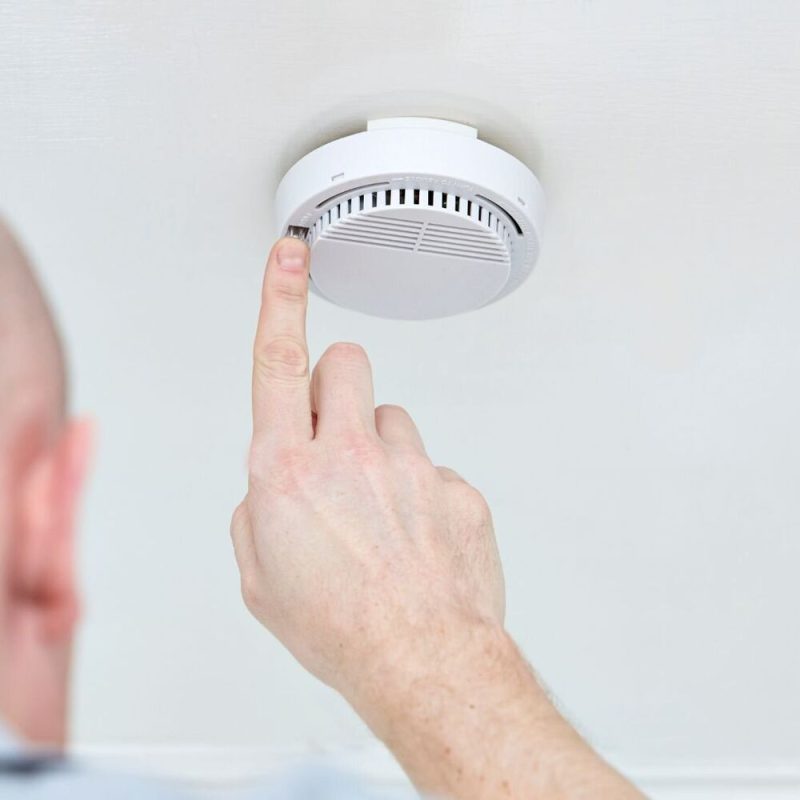
Step 1: Press and Hold the Test Button
Every alarm has a test button. Press and hold it until the alarm sounds — this should take no more than a few seconds. For interconnected systems, check that all alarms in the home activate together.
Step 2: Check the Sound Volume
The alarm should be loud and sustained. A weak, delayed, or intermittent sound suggests internal wear and the unit should be replaced.
Step 3: Test the Battery Backup (Hardwired Units)
Switch off the circuit breaker for the alarm circuit briefly — the battery backup should kick in immediately and maintain the alarm’s function.
Step 4: Confirm Placement Is Correct
Sunshine Coast legislation requires smoke alarms to be installed:
- Inside every bedroom
- In hallways connecting bedrooms to the rest of the home
- On every storey of the home, including basements
If your alarms aren’t placed correctly, detection time is significantly reduced. A licensed electrician can assess your current layout and recommend changes.
How to Clean Smoke Alarms Without Damaging Them
Dust and insects are the most common causes of sensor degradation and false alarms. Clean your alarms every six months — more often if you’re in a coastal area or near dusty work sites.
How to clean properly:
- For hardwired units, switch off the power at the breaker first
- Use a vacuum cleaner with a soft brush attachment around the vents
- Wipe the outer casing with a dry, lint-free cloth
- Never use water, spray cleaners, or compressed air directly into the unit
Avoid painting over alarms or blocking vents with furniture — both are more common than you’d think, and both reduce effectiveness significantly.
When It’s Time for Smoke Alarm Replacement
Smoke alarms have a fixed lifespan. The sensor degrades over time, and a unit that passes the button test at year nine may still fail to detect an actual fire. Queensland law requires replacement every 10 years — no exceptions.
Signs you need a smoke alarm replacement on the Sunshine Coast sooner than 10 years:
- No sound when the test button is pressed
- Yellowing or cracked casing
- Frequent false alarms that cleaning doesn’t resolve
- The unit is missing a manufacturer’s date sticker
Replacing smoke alarms is also one of the most cost-effective safety upgrades available. A licensed electrician can replace battery, hardwired, or interconnected systems in a single visit.
Sunshine Coast Smoke Alarm Laws — What You Need to Know
Sunshine Coast has some of the most specific smoke alarm requirements in Australia, and they apply to all residential properties:
- All alarms must be photoelectric (not ionisation)
- All alarms must be interconnected in homes being sold, leased, or substantially renovated
- Alarms must be installed inside every bedroom and in connecting hallways
- By January 2027, all existing residential properties must have compliant interconnected photoelectric alarms
If you’re selling, leasing, or renovating your property, non-compliant alarms are a legal issue. Our team at Brocky’s Electrical carries out compliant smoke alarm installation, testing, and replacement across Maroochydore and the wider Sunshine Coast.
Common Mistakes That Put Homes at Risk
Even well-intentioned homeowners make these errors:
- Removing the battery after a false alarm and forgetting to replace it
- Installing alarms too close to the kitchen or bathroom — steam and cooking fumes cause nuisance triggering and lead people to disable them
- Assuming the test button confirms the sensor works — it only confirms the electronics are powered; the sensor degrades independently
- Not testing interconnected systems as a group — individual alarms may pass but fail to trigger each other
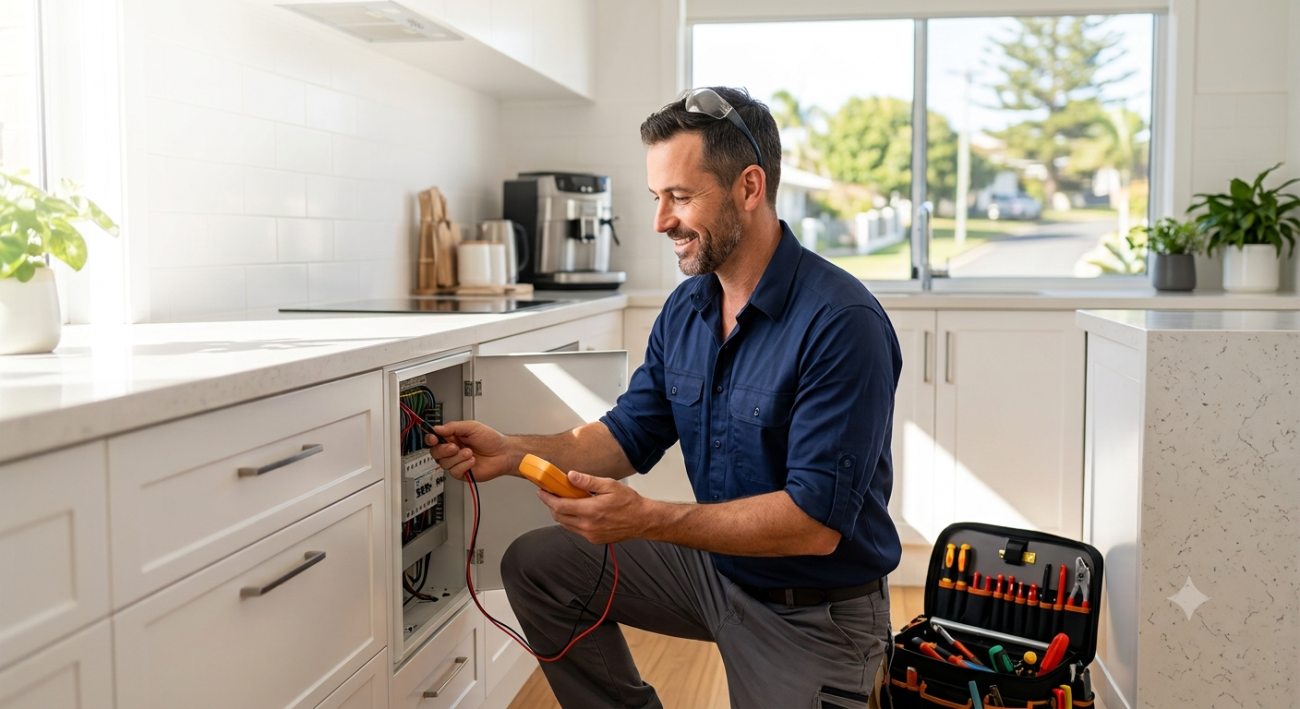
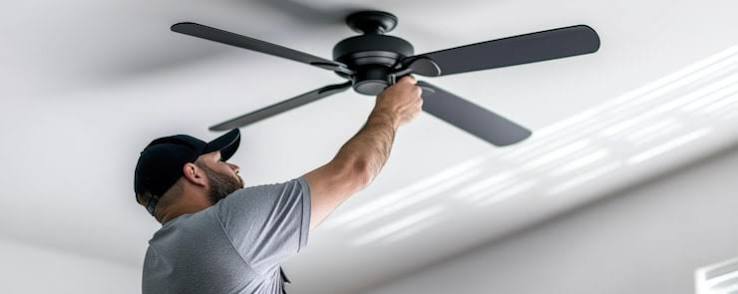
A professional test by one of Brocky’s A-grade electricians checks all of these issues in a single visit. We also handle ceiling fan installation on the Sunshine Coast and lighting installation on the Sunshine Coast if you’re doing a broader home safety and comfort upgrade at the same time.
When to Call a Licensed Electrician
Some smoke alarm work is firmly in the licensed-only category. Call a professional if:
- Any alarm fails repeated tests
- You’re upgrading from battery to hardwired or interconnected systems
- Wiring looks damaged, loose, or old
- You’re preparing a property for sale or lease and need compliance confirmed
- Your home has never had a smoke alarm inspection
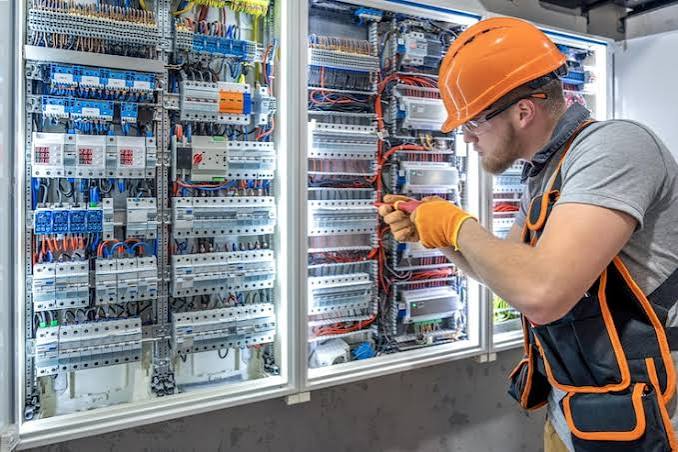
Trying to DIY hardwired or interconnected alarm work is both illegal in Sunshine Coast and genuinely dangerous. The work requires an electrical licence and must be certified on completion.
Final Word
Testing and maintaining your smoke alarms takes about ten minutes every month and could be the most important ten minutes you spend on home safety all year. The bigger jobs — upgrading to interconnected systems, replacing hardwired alarms, or ensuring your property meets the Sunshine Coast 2027 deadline — are where Brocky’s Electrical comes in.
Book a free phone consultation with Brocky’s Electrical by calling 1800 522 622 or visiting brockyselectrical.com.au. We’re based in Maroochydore and service the entire Sunshine Coast — from Caloundra to Noosa and everywhere in between.
Q1: How often should smoke alarms be tested?
A: Test every alarm monthly by pressing the test button, with a full inspection every six months.
Q2: How long do smoke alarms last before replacement?
A: All smoke alarms must be replaced every 10 years, even if they still sound during testing.
Q3: Are interconnected smoke alarms required on the Sunshine Coast?
A: Yes — all Sunshine Coast homes being sold, leased, or renovated must have interconnected photoelectric alarms, with full compliance required by January 2027.
Q4: Why does my smoke alarm chirp randomly?
A: Intermittent chirping means a low battery or internal fault — replace the battery first; if it continues, replace the unit.
Q5: Can I install hardwired smoke alarms myself in Queensland?
A: No — hardwired and interconnected smoke alarm work must be carried out by a licensed electrician under Queensland law.
Q6: Does Brocky’s Electrical install smoke alarms on the Sunshine Coast?
A: Yes — we install, replace, and test all alarm types across Maroochydore, Caloundra, Noosa, and the wider Sunshine Coast.