
Electrical Safety Tips for Families with Kids

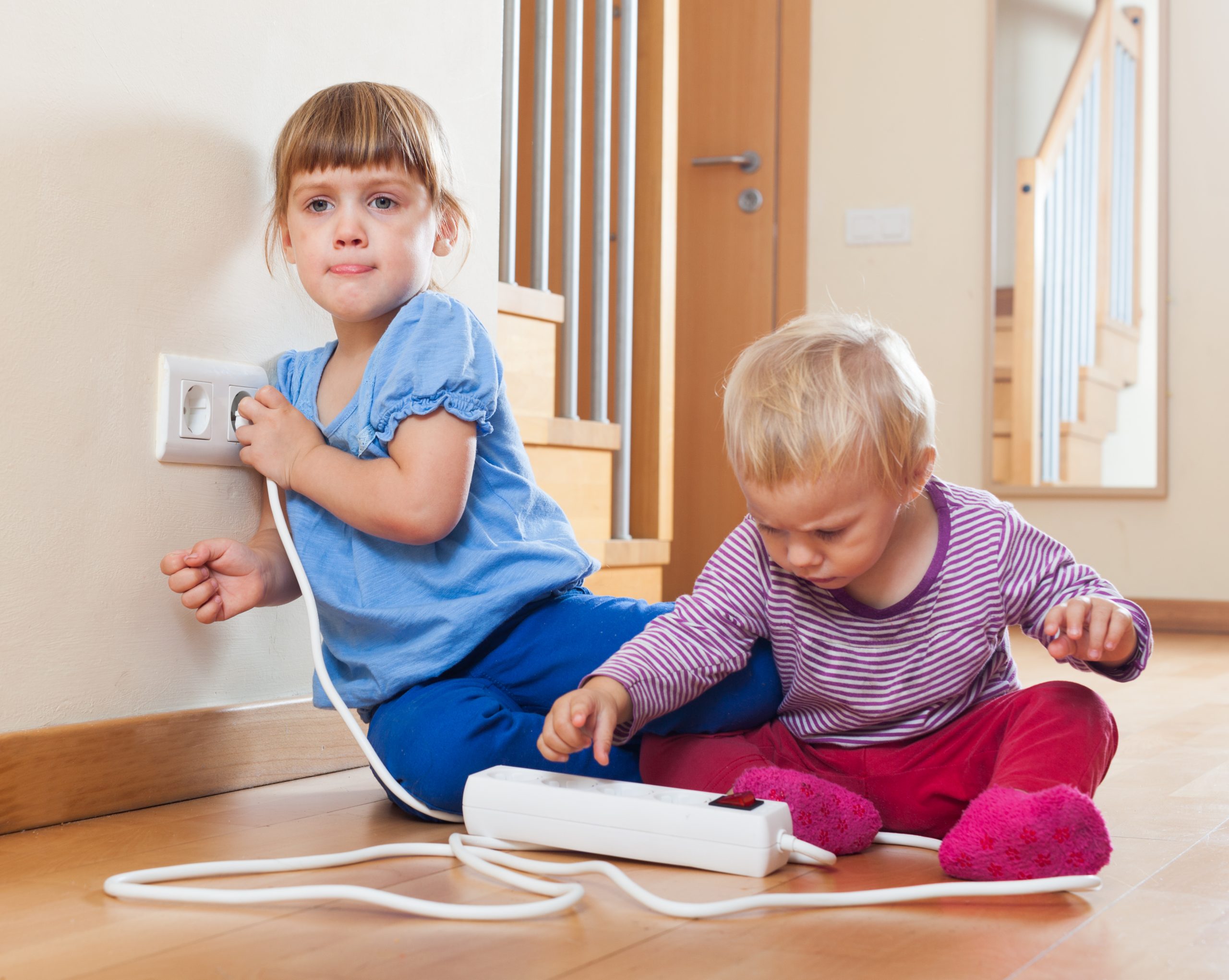
Keeping children safe at home involves more than locks and supervision. Electricity is part of daily life, yet it presents hidden risks, especially for young children who are naturally curious. Electrical safety for families requires awareness, practical safeguards, and regular checks to reduce avoidable accidents. From exposed power points to overloaded outlets, small oversights can lead to serious harm.
This guide explains essential electrical safety for families, highlighting common hazards, age-appropriate safety steps, and practical ways parents can protect children at home. By following these home electrical safety tips, families can reduce risk, create safer living spaces, and build good habits that support long-term household safety.
Why Electrical Safety Matters in Family Homes
Children experience the home differently from adults. Crawling toddlers explore at floor level, while older kids may experiment with switches, cords, or appliances. Electrical systems that seem harmless to adults can pose real danger to children.
According to Safe Work Australia’s electrical safety guidance, electrical injuries often result from damaged cords, unsafe outlets, or alack of protective devices. Focusing on child electrical safety early helps prevent burns, shocks, and fire hazards that can occur without warning.
Common Electrical Hazards Around Children
Understanding where risks exist is the first step toward protecting your family from electrical hazards.
Exposed Power Points
Uncovered outlets are among the most common electrical hazards for children, especially toddlers. Inserting small fingers or objects into sockets can cause severe injury.
Loose or Damaged Cords
Frayed cables on lamps, chargers, or appliances may expose live wiring. Children pulling on cords increases the chance of electric shock or fire.
Overloaded Power Boards
Plugging too many devices into one outlet can cause overheating. Children may not recognise the warning signs, such as warm plugs or flickering lights.
Portable Heaters and Fans
Heaters, fans, and extension cords placed within reach can tip over or overheat, increasing risk during colder months.
Essential Electrical Safety Tips for Families with Kids
Use Childproof Power Point Covers
Installing outlet covers is one of the simplest safe electrical practices for kids. These covers block access while still allowing adult use when needed.
Secure Cords Out of Reach
Use cord clips or cable channels to secure wires to walls and keep them away from play areas. This reduces tripping hazards and prevents pulling.
Install Safety Switches
Safety switches cut power instantly when faults occur. According to NSW Fair Trading’s electrical safety guidance, safety switches significantly reduce injury risk in family homes.
Keep Appliances Supervised
Never leave appliances such as irons, kettles, or heaters running unattended. Teach children that appliances are not toys.
Teaching Children Electrical Awareness
While physical protections matter, education plays a major role in electrical safety for families.
- Explain why sockets are dangerous in simple language
- Set clear rules about cords and appliances
- Encourage children to alert adults if they see damaged plugs
Building awareness early helps children develop safe habits that last into adulthood.
Room-by-Room Electrical Safety Checklist
Living Areas
- Secure TVs and entertainment units
- Avoid trailing extension cords
- Use surge protectors for electronics
Bedrooms
- Keep night lamps stable and cords tucked away
- Avoid power boards under beds
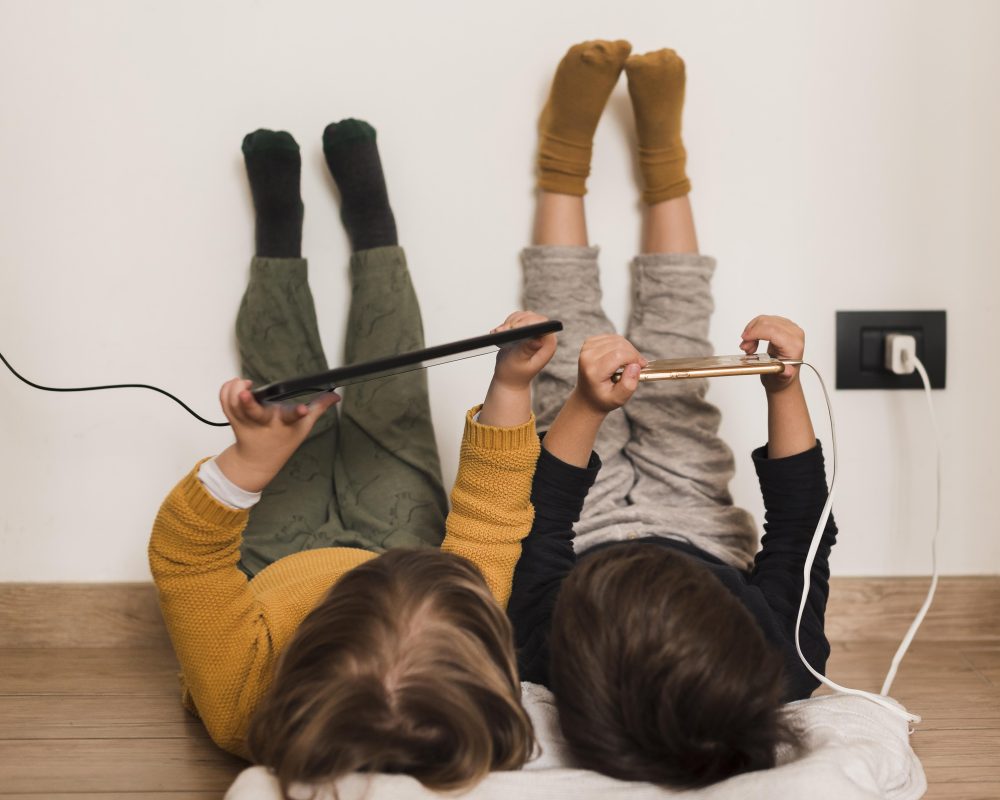
- Check chargers regularly
Kitchen
- Keep appliances away from water
- Unplug unused devices
- Store cords out of reach
Outdoor Areas
- Use weather-rated outlets
- Avoid running extension cords across yards
- Check outdoor lighting regularly
These steps support consistent home electrical safety tips throughout the house.
Smart Lighting and Electrical Upgrades for Family Homes
Modern upgrades can reduce risk while improving convenience. Installing safer lighting systems and updated fittings helps lower exposure to electrical faults.
When planning upgrades, reviewing Smart Lights and Residential Lighting options can improve visibility while reducing heat buildup and cord clutter. Upgraded systems also improve energy efficiency and enhance safety in shared family spaces.
Smoke Alarms and Electrical Fire Prevention
Electrical faults are a leading cause of house fires. Proper smoke alarm placement and maintenance are essential for family protection.
Australian fire safety authorities recommend:
- Installing smoke alarms near bedrooms
- Testing alarms monthly
- Replacing batteries annually
Early alerts give families valuable time to respond and evacuate safely.
When to Call a Licensed Electrician
Some risks require professional attention. Call an electrician if you notice:
- Frequent circuit trips
- Burning smells from outlets
- Flickering lights
- Warm power points
Ignoring these signs can increase danger, especially in homes with children.
Learning more about electrical safety standards through reputable sources like thefurnaceoutlet.com and household electrical safety guidance helps families understand why early action prevents long-term hazards.
Supporting a Safer Home Environment
Electrical safety is not a one-time task. Regular inspections, updated equipment, and child-friendly layouts all support family electrical protection. Making safety part of daily routines reduces stress and supports peace of mind.
Proactive parents can prevent many incidents before they occur, protecting both children and property.
Final Thoughts
Creating a safe home for children means paying close attention to hidden risks. Electrical hazards may not always be visible, but with the right steps, they are manageable.
For families seeking professional support with inspections, upgrades, or safer installations, Brockyselectrical offers experienced services designed for modern family homes. From lighting to power safety, their team helps households improve safety with practical solutions. Use Get In Touch to discuss safer electrical options for your family home
FAQs
1. What is the biggest electrical risk for children at home?
Uncovered power points and damaged cords are among the most common risks.
2. Are safety switches required in family homes?
They are strongly recommended and required in many updated installations.
3. How often should electrical systems be checked?
Every few years or sooner if issues appear.
4. Can smart lighting improve child safety?
Yes, it reduces heat and cord exposure while improving visibility.
5. When should I call an electrician?
If you notice frequent trips, burning smells, or warm outlets.