
How to Plan Electrical Upgrades During Renovations

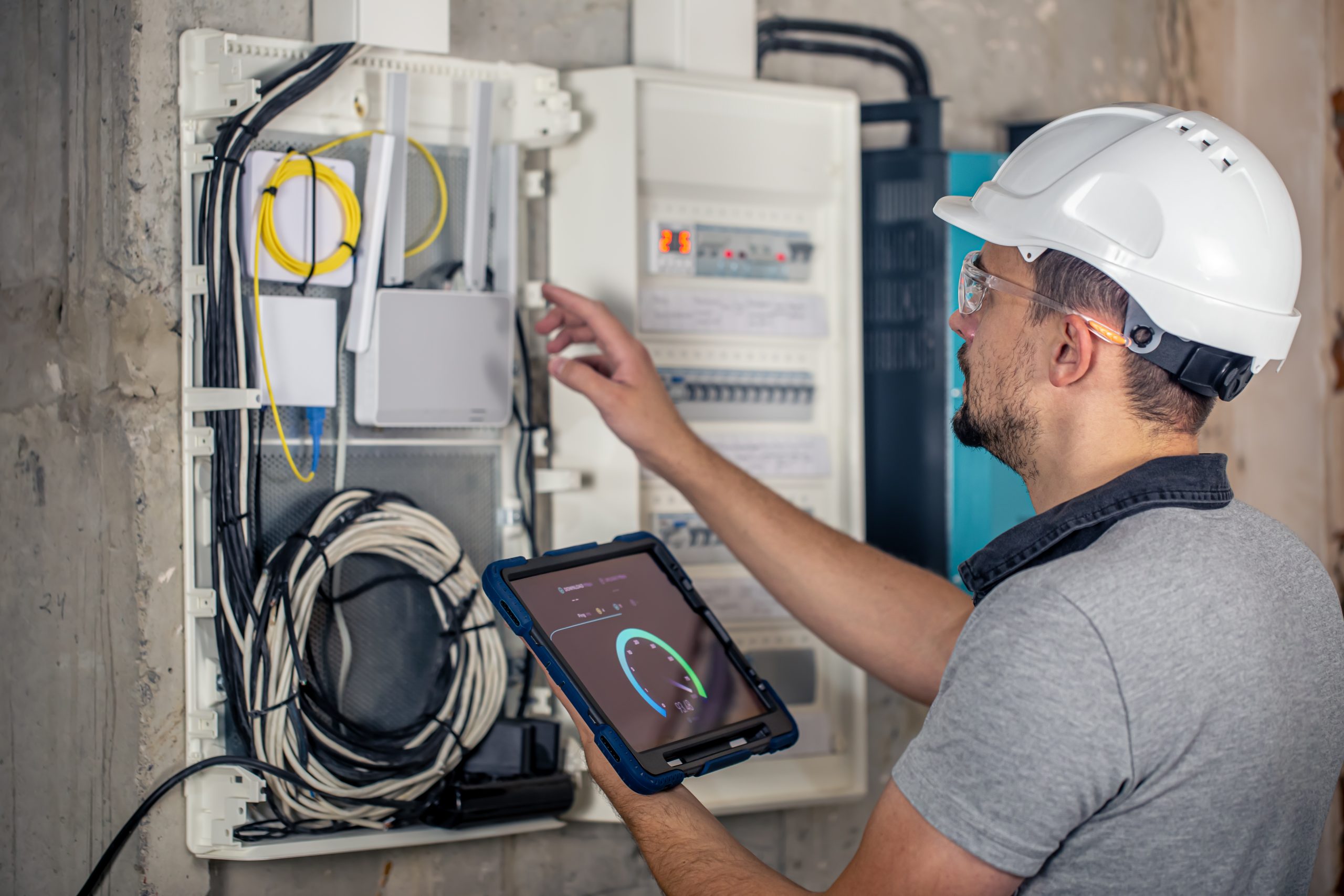
Planning electrical upgrades during renovations allows homeowners to improve safety, functionality, and future readiness without unnecessary rework. Renovation projects provide an ideal opportunity to update wiring, add modern power outlets, and prepare homes for smart technology. This guide explains how to approach electrical planning before walls close, which upgrades add long-term value, and how smart home electrical preparation supports changing lifestyle needs. From lighting layouts to wiring capacity and device integration, understanding these steps helps homeowners avoid costly mistakes and create efficient, adaptable electrical systems suited to modern living.
Why Renovations Are the Right Time for Electrical Upgrades
Renovations expose walls, ceilings, and floors, making it easier to access wiring and power infrastructure. Updating electrical systems at this stage avoids future disruptions and reduces labour costs.
Many older homes were not designed to support modern appliances, smart devices, or increased power demand. Planning electrical upgrades during renovations allows homeowners to future-proof their properties and align electrical layouts with new room designs.
Start With a Clear Electrical Renovation Plan
Before work begins, homeowners should identify how each room will be used. This forms the foundation of effective home electrical renovation tips.
Consider:
- Appliance locations
- Work-from-home needs
- Entertainment zones
- Charging stations
- Outdoor power access
Early planning helps avoid extension cords, overloaded circuits, and inconvenient power placement later.
Smart Home Electrical Preparation for Modern Living
Smart home features require structured wiring and reliable power distribution. Smart home electrical preparation includes planning for:
- Smart lighting controls
- Automated blinds or ceiling fans
- Voice-controlled devices
- Security and monitoring systems
Proper cabling and circuit allocation help systems operate reliably without signal or power interruptions.
According to Heatonelectrical.com, upgrading wiring during renovations reduces future hazards linked to outdated systems
Choosing the Right PowerPoint Layout
Modern homes require more power points than older designs allowed. USB outlets, wall-mounted TVs, and kitchen appliances increase demand.
Well-planned layouts support:
- Cleaner spaces with fewer adapters
- Safer load distribution
- Better usability
This is a core part of planning electrical upgrades effectively.
Lighting Design and Electrical Efficiency
Lighting placement should be aligned with room function and natural light availability. Task lighting, ambient lighting, and feature lighting all require different wiring considerations.
Planning lighting early allows homeowners to integrate electrical upgrades for modern homes that improve energy efficiency and comfort.
For guidance on lighting efficiency,Yourhome.gov.au explains how proper lighting design lowers electricity use and improves performance
Wiring Capacity and Circuit Load Planning
Renovations are an ideal time to review switchboards and circuit capacity. Modern appliances draw more power than older systems were designed to handle.
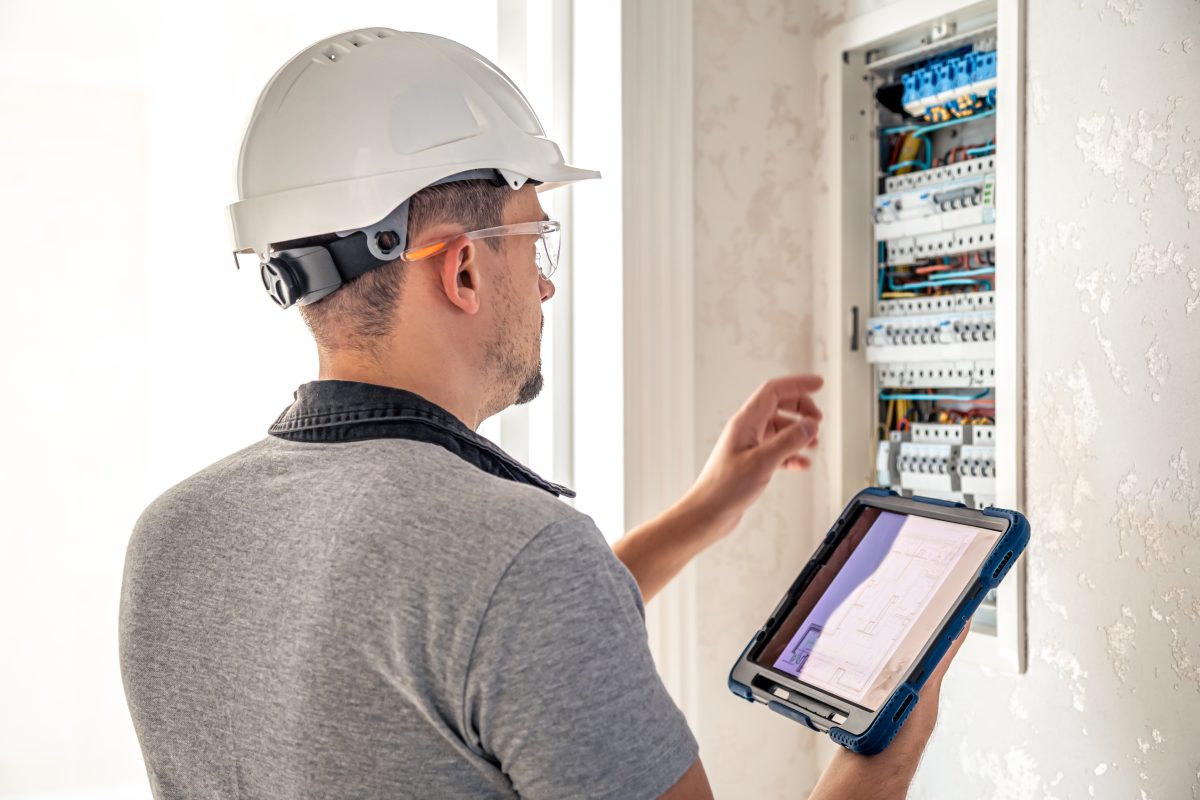
Upgrading wiring capacity helps prevent:
- Circuit overloads
- Tripped breakers
- Heat-related wiring issues
This step supports long-term safety and reliable system performance.
Smart Home Wiring Solutions That Add Value
Installing conduits, data cabling, and spare wiring paths during renovations keeps homes flexible. Smart home wiring solutions allow future upgrades without opening walls again.
This approach benefits:
- Internet and streaming setups
- Home offices
- Security systems
- Entertainment areas
Government consumer Advice highlights the importance of planning infrastructure upgrades early to avoid costly retrofits.
Avoiding Common Electrical Renovation Mistakes
Some of the most common renovation issues include:
- Too few power points
- Poor lighting placement
- Ignoring future technology needs
- Underestimating circuit demand
Using structured home electrical renovation tips helps homeowners avoid these problems and achieve better outcomes.
Coordinating Electrical Work With Other Trades
Electrical upgrades should be coordinated with plumbing, cabinetry, and structural work. This prevents clashes and ensures accurate placement of fixtures and wiring.
Clear communication between trades supports smooth renovation progress and avoids rework.
Preparing for Modern Lighting and Controls
Many homeowners now integrate lighting automation and energy-efficient fixtures. Planning early supports the smooth installation of modern systems.
For examples of residential lighting layouts and installation considerations, see Smart Lights and Residential Lighting.
Final Thoughts: Planning Electrical Upgrades the Right Way
Thoughtful planning during renovations leads to safer, more efficient, and adaptable homes. Addressing power capacity, wiring routes, lighting design, and smart system readiness during renovation saves time and money long term.
For homeowners planning electrical upgrades during renovations and seeking professional support across lighting, installations, and safety systems, Brockyselectrical provides reliable solutions tailored to modern home needs.
FAQs
1. Why plan electrical upgrades during renovations?
Renovations provide easier access to wiring and reduce future disruption and costs.
2. What electrical upgrades add the most value?
Lighting improvements, additional power outlets, wiring upgrades, and smart-home readiness.
3. How many power points should a modern home have?
More than older homes—especially in kitchens, offices, and entertainment areas.
4. Is smart home wiring worth adding now?
Yes. It supports future technology without wall removal later.
5. Should switchboards be reviewed during renovations?
Yes. Increased demand often requires updated circuit capacity.